









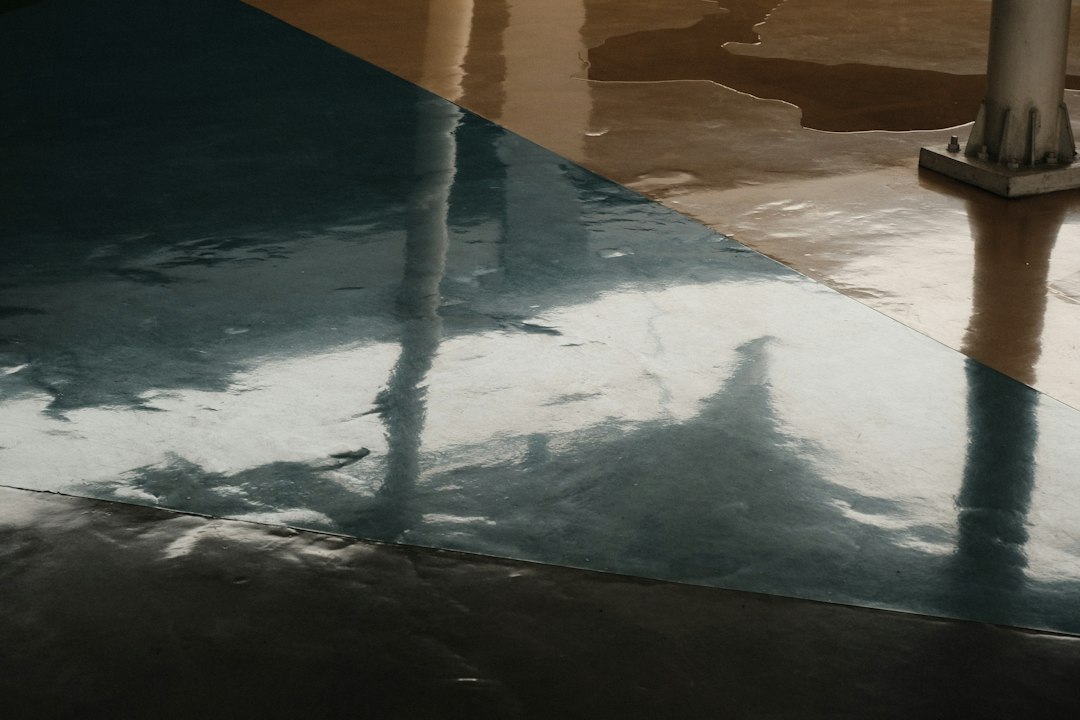
Commercial kitchen floors face demanding conditions every day, including heavy foot traffic, moving equipment, moisture, cooking oils, and frequent cleaning. Over time, these conditions can damage ordinary flooring and make maintenance more difficult. Installing Epoxy Floor Coatings Florida solutions provides commercial kitchens with a durable surface designed to protect concrete floors, improve appearance, and support easier routine cleaning.
Why Epoxy Flooring Is Suitable for Commercial Kitchens
Commercial kitchens need flooring that can withstand continuous activity and demanding working conditions. Traditional concrete may develop cracks, stains, and surface deterioration when exposed to moisture, grease, temperature changes, and heavy equipment.
Epoxy coatings create a protective layer over properly prepared concrete. Once installed and cured, the coating forms a continuous surface that helps protect the underlying floor from everyday wear. Its durability makes it a practical option for restaurants, food preparation facilities, catering kitchens, and other commercial environments.
Protect Floors from Moisture and Spills
Water, cooking oils, sauces, and cleaning solutions frequently reach commercial kitchen floors. If concrete remains unprotected, liquids may penetrate its porous surface and contribute to staining or deterioration.
A properly applied epoxy coating helps create a less porous surface that resists many common spills. This makes routine cleanup more manageable and helps prevent liquids from penetrating the concrete as easily.
However, spills should still be cleaned promptly, and suitable cleaning procedures should be followed to maintain the coating’s condition.
Improve Resistance to Heavy Foot Traffic
Restaurant kitchens experience constant movement throughout operating hours. Employees carry ingredients, transport supplies, move equipment, and work around cooking stations. These activities can gradually wear down unsuitable flooring.
Epoxy flooring provides a durable finish designed to handle regular commercial use. Its performance depends on correct surface preparation, coating thickness, material selection, and installation quality.
For areas with particularly demanding conditions, the coating system should be selected according to expected traffic and equipment requirements.
Create a Cleaner and More Attractive Surface
A smooth, continuous floor can improve the overall appearance of a commercial kitchen. Epoxy coatings are available in different colors and finishes, allowing property owners to select an appearance that complements their workspace.
The seamless finish also reduces the number of joints where dirt and food particles may collect. This can simplify routine floor maintenance compared with surfaces containing numerous gaps or uneven sections.
Keeping the floor clean remains important, particularly around food preparation stations, storage areas, and cooking equipment.
Consider Slip Resistance and Workplace Safety
Kitchen floors can become slippery when exposed to water, grease, and food spills. Selecting an appropriate epoxy system with suitable slip-resistant additives or textured finishes can help improve floor traction.
The required finish should reflect the activities performed in each area. A surface that is easy to clean must also provide suitable traction for employees working in wet or busy conditions.
Regular cleaning is essential because accumulated grease can affect the performance of slip-resistant surfaces.
Understand the Importance of Surface Preparation
Successful epoxy installation begins with proper concrete preparation. Existing grease, dirt, loose coatings, and damaged material must be addressed before application.
Depending on the floor’s condition, preparation may involve mechanical grinding, repairs, moisture evaluation, and cleaning. Cracks and surface imperfections should be assessed and repaired using compatible materials.
Applying epoxy over an inadequately prepared surface can lead to peeling, bubbling, or poor adhesion. Professional assessment helps determine the appropriate preparation and coating system.
Maintain Epoxy Floors with Regular Care
Although epoxy flooring is designed for durability, consistent maintenance helps preserve its appearance and performance. Daily cleaning should remove food debris, grease, and liquid spills.
Use cleaning products recommended for the installed coating and avoid harsh chemicals or abrasive tools that could damage the finish. Periodic inspections can identify scratches, worn sections, or other problems requiring attention.
Choose a Suitable Flooring Solution
Every commercial kitchen has different flooring requirements based on its size, layout, cooking activities, and cleaning routines. Selecting the right epoxy system involves considering durability, moisture exposure, slip resistance, and expected maintenance.
A properly selected and installed coating can protect concrete, improve floor appearance, and support long-term kitchen maintenance. Combining quality installation with regular care helps commercial kitchens maintain durable, functional, and presentable flooring.
What You Need to Know
- Epoxy floor coatings provide commercial kitchens with a durable surface designed to protect concrete floors and improve appearance.
- Traditional concrete flooring may develop cracks and stains when exposed to moisture and grease, making epoxy coatings a practical solution.
- Properly applied epoxy coatings create a less porous surface that resists common spills, simplifying routine cleanup in commercial kitchens.
- Selecting an appropriate epoxy system with slip-resistant additives can improve traction in kitchen areas that are often wet or greasy.
- Successful installation of epoxy flooring relies on proper surface preparation, which may include mechanical grinding and repairs to the existing concrete.
- Regular maintenance, including daily cleaning and periodic inspections, is essential for preserving the appearance and performance of epoxy floors.