









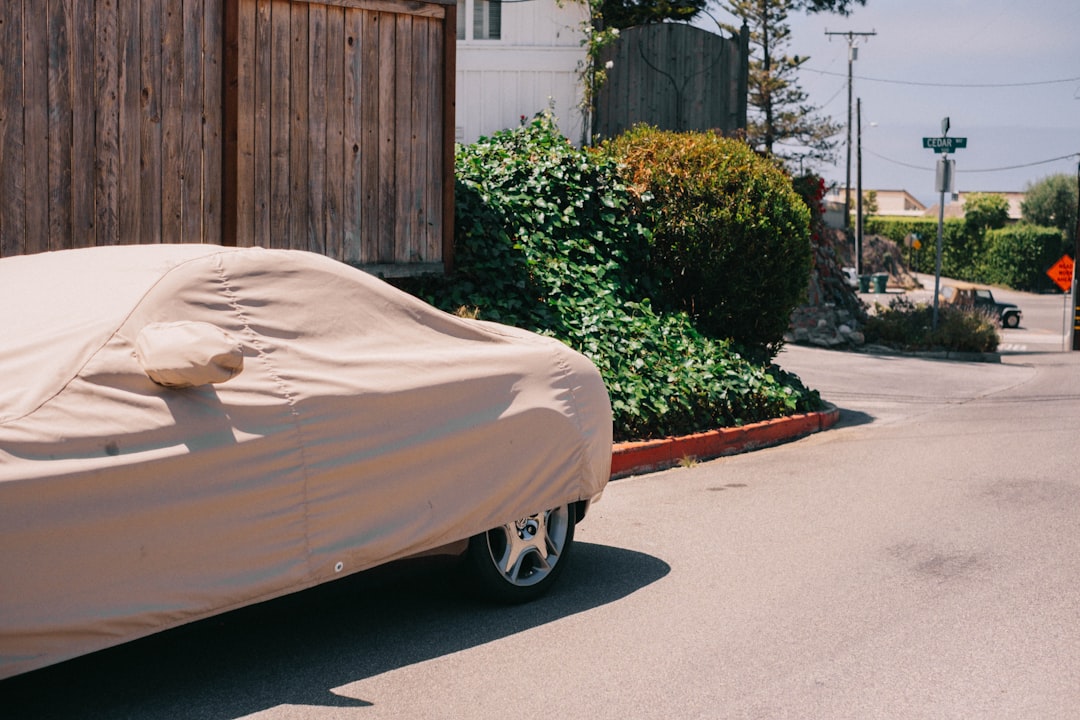
Leaving a car outside or storing it for weeks at a time exposes paint and trim to rain, UV, dust, sap, and bird droppings. A cover is a simple barrier, but only if it fits well and does not trap moisture.
Jump To
- Why universal covers can disappoint
- What a made-to-measure cover does better
- Materials that matter for indoor and outdoor use
- A quick buying checklist
- Care tips that extend cover life
- FAQ
- Keep your car protected for longer
Below is a practical guide to choosing a cover that protects rather than causes rubbing, damp, or frustration.
Why universal covers can disappoint
Universal covers aim for a one-size-fits-many shape. In practice, that often means:
– Excess fabric that moves in the wind and rubs against corners and body lines
– Loose areas where water can pool and grime collects
– Straps that sit in the wrong place, making the cover easier to shift or lift
If you have ever uncovered a car and found dusty patterns or light marring, movement is usually the cause.
What a made-to-measure cover does better
A tailored cover is cut for a specific make and model, so it follows the contours more closely.
Benefits you will notice straight away:
– Less spare material, so less rubbing in gusty weather
– More consistent coverage around mirrors, bumpers, and spoilers
– Easier handling when you put it on or take it off
For classics, performance cars, and well cared-for daily drivers, that stability is a major upgrade.
Materials that matter for indoor and outdoor use
Fit is only half the story. The fabric needs to balance protection with breathability.
For indoor storage, a lighter cover with a soft inner lining is usually ideal. The lining helps reduce micro-scratches, while the outer layer focuses on dust control. Breathability still matters because garages can hold humidity.
For outdoor parking, look for multi-layer fabrics. A tougher outer face helps resist rain and UV, while an inner layer is kinder to paint. The goal is moisture management: keep water out, but let trapped damp escape.
Do not assume the most waterproof option is always best. If a cover cannot breathe, condensation can sit against the bodywork.
A quick buying checklist
1. Confirm your exact model and year range, including any body kit or spoiler.
2. Decide how often you will use it. Daily use favours lighter fabrics.
3. Check fastening. Elastic hems and underbody straps help in windy areas.
4. Consider personalisation if you attend shows or share storage space.
5. Plan delivery time if you need protection quickly for winter storage or a move.
With custom car covers, you can match the cover to the vehicle and consider details such as material, fit and personalisation. This makes it easier to choose protection that suits both the car and the way it is stored.
Care tips that extend cover life
– Wash the car first so grit does not sit under the fabric
– Let hot panels cool before covering
– Dry the cover before storing it
FAQ
Can I cover a wet car
Try not to. If you must, use a breathable cover and remove it to dry the car as soon as practical.
Will a cover scratch paint
A clean car and a properly fitted, lined cover reduce the risk. Most damage comes from trapped dirt and movement.
Keep your car protected for longer
Choose a cover that fits well, breathes, and is easy to secure. Done right, it keeps paintwork cleaner and reduces weathering with minimal effort.
What You Need to Know
- Leaving a car outside exposes it to rain, UV rays, dust, sap, and bird droppings.
- Universal covers can cause issues like excess fabric that rubs against the car and loose areas where water can pool.
- A tailored cover fits specific car models closely, reducing movement and the risk of dust and marring on the paint surface.
- For indoor use, lighter covers with soft inner linings can help reduce micro-scratches, while outdoor covers should be made of multi-layer fabrics for better moisture management.
- Using a breathable cover is essential to prevent condensation from sitting against the car’s bodywork, particularly for wet vehicles.
- To extend the life of a car cover, wash the car before covering it, allow hot panels to cool, and ensure the cover is dry before storage.