








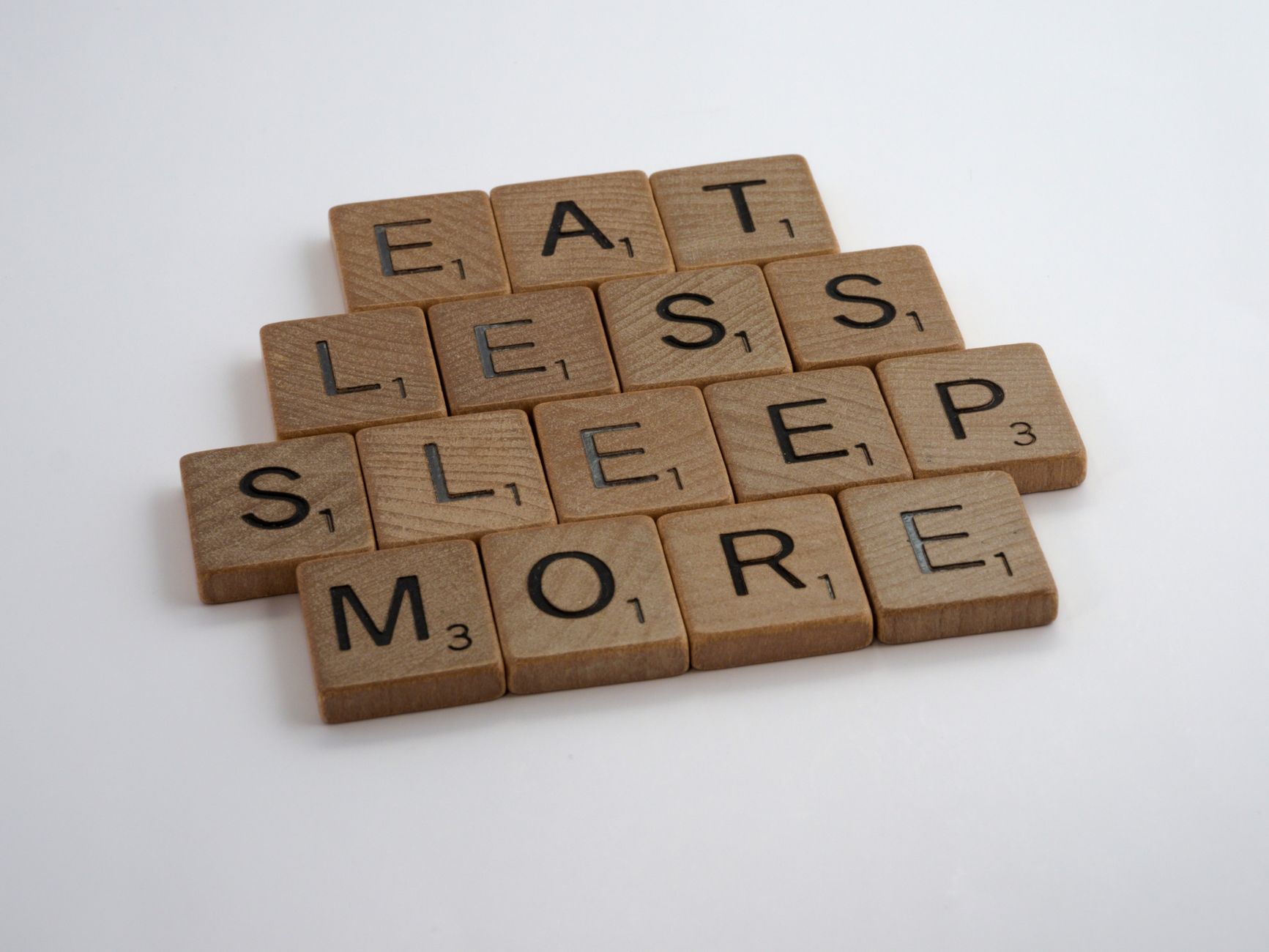
Eat less move more is often touted as the key to weight management, but this advice may not hold true for those over 40. Understanding the nuances of metabolism changes can lead to better strategies for health and wellness.
Understanding Metabolism Changes After 40
As we age, our bodies undergo significant changes that can impact metabolism and overall health. After the age of 40, many individuals notice that their metabolism begins to slow down, making it more challenging to maintain a healthy weight despite efforts to eat less and move more.
Understanding these metabolic changes is crucial for developing effective health strategies. Key factors that contribute to this decline include:
- Muscle Mass Loss: Aging is often associated with a decrease in muscle mass, which can lower the number of calories burned at rest.
- Hormonal Shifts: Changes in hormones, such as decreased estrogen in women and testosterone in men, can affect fat distribution and metabolism.
- Decreased Physical Activity: Life changes, such as increased responsibilities or health issues, may lead to reduced activity levels, further impacting metabolism.
- Changes in Nutritional Needs: The body’s requirement for nutrients evolves, and a one-size-fits-all approach to dieting may not be effective.
Consequently, the traditional mantra of “eat less, move more” may not yield the desired results for individuals over 40. Instead, a more nuanced approach that considers these metabolic alterations is essential for maintaining health and wellness in this stage of life.
Why Traditional Advice May Fail
The traditional advice to eat less, move more has been a staple in weight management strategies for decades. However, this approach may not be as effective for individuals over 40 due to significant changes in metabolism and hormonal balance.
Research indicates that as people age, their bodies undergo various transformations that can hinder weight loss efforts. Some of the reasons why the ‘eat less, move more’ mantra may fail after 40 include:
- Decreased Muscle Mass: Aging often results in a loss of muscle mass, which slows down the metabolic rate. With less muscle, the body burns fewer calories, making it harder to lose weight.
- Hormonal Changes: Hormonal fluctuations, particularly in women during menopause, can lead to an increase in fat storage and a decrease in energy levels.
- Increased Stress Levels: Older adults frequently face heightened stress due to work, family, and health concerns, leading to emotional eating and weight gain.
- Caloric Needs: While reducing caloric intake is essential, overly restrictive diets can backfire, causing the body to enter starvation mode and further slowing metabolism.
Given these factors, it is crucial to reevaluate traditional weight loss strategies and consider more tailored approaches that accommodate the unique challenges faced after 40.
The Role of Hormones in Weight Gain
As individuals reach their 40s, hormonal changes can significantly impact weight management. These changes often complicate the traditional advice to eat less, move more, resulting in frustration for many. Hormones such as estrogen, testosterone, and cortisol play crucial roles in regulating metabolism and appetite.
In women, the decline in estrogen during perimenopause can lead to increased fat storage, especially around the abdomen. This shift not only alters body composition but also influences how the body processes food. Similarly, men may experience a gradual decrease in testosterone levels, which can result in reduced muscle mass and a slower metabolism.
Additionally, cortisol, the stress hormone, can contribute to weight gain when levels are chronically elevated. This hormone can signal the body to store fat, especially in response to stress and inadequate sleep. These hormonal fluctuations mean that simply adhering to the eat less, move more mantra may not yield the desired results.
Understanding these hormonal influences is vital for developing a more effective weight management strategy. Rather than solely focusing on calorie intake and exercise, individuals over 40 may benefit from a comprehensive approach that includes hormone regulation, stress management, and tailored nutrition plans.
By acknowledging the role of hormones, individuals can better navigate their weight loss journeys and move towards healthier lifestyles.
Effective Strategies for Sustainable Weight Loss
As individuals age, traditional weight loss advice often proves less effective, prompting the need for effective strategies for sustainable weight loss. While the mantra of eat less, move more may seem straightforward, it can overlook critical factors that influence weight management after 40.
To achieve lasting results, consider the following strategies:
- Focus on nutrient-dense foods: Instead of merely reducing calorie intake, prioritize foods rich in vitamins, minerals, and fiber. This can help keep you full while providing essential nutrients.
- Incorporate strength training: Muscle mass tends to decline with age. Engaging in regular strength training can boost metabolism and aid in maintaining muscle, which is crucial for healthy weight management.
- Prioritize sleep: Quality sleep is vital for hormonal balance and overall health. Ensure you get adequate rest to support your weight loss efforts.
- Stay hydrated: Drinking enough water can aid digestion and help control hunger, making it easier to manage portion sizes.
- Mindful eating: Pay attention to hunger cues and eat slowly. This practice can help prevent overeating and improve the overall eating experience.
By adopting a holistic approach that considers these factors, individuals over 40 can move beyond the limitations of traditional advice and find a sustainable path to weight management.
Real Success Stories: What Works
Many individuals over 40 have found alternative approaches to weight management that challenge the traditional mantra of eat less, move more. Here are some real success stories that illustrate what works:
- Jane, 45: After struggling with weight loss for years, Jane shifted her focus from calorie restriction to mindful eating. By listening to her body’s hunger cues and prioritizing nutrient-dense foods, she not only lost weight but also improved her overall well-being.
- Mike, 50: Mike discovered that incorporating strength training into his routine helped him build muscle and boost his metabolism. Instead of solely focusing on cardiovascular exercises, he embraced a balanced workout regimen that included resistance training.
- Laura, 47: After experiencing hormonal changes, Laura realized that stress management was key to her weight loss journey. She started practicing yoga and meditation, which helped her reduce stress and emotional eating, allowing her to maintain a healthier lifestyle.
- Tom, 52: Tom focused on improving his sleep quality, understanding its significant impact on weight management. By establishing a consistent sleep schedule, he found it easier to control cravings and maintain a healthy weight.
These success stories emphasize that sustainable weight loss after 40 may require a shift away from the conventional eat less, move more philosophy, focusing instead on holistic approaches tailored to individual needs.
Expert Opinions on Diet and Exercise
Experts in nutrition and fitness have begun to challenge the traditional mantra of “eat less, move more”, particularly for individuals over 40. They argue that this approach may not only be ineffective but could also lead to frustration and unhealthy habits.
Dr. Sarah Thompson, a leading nutritionist, emphasizes that metabolic changes associated with aging require a reevaluation of dietary strategies. She states, “Simply reducing calorie intake and increasing physical activity may not address the underlying hormonal shifts that occur after 40.” Instead, she recommends a focus on nutrient-dense foods that support metabolic health.
Fitness expert Michael Reyes suggests a more holistic approach. He explains, “Moving more is important, but we also need to consider the type of movement we engage in. Strength training can be particularly beneficial for maintaining muscle mass, which in turn boosts metabolism.”
Additionally, Dr. Emily Kim highlights the importance of mental health in the weight loss journey. “Stress management and mindfulness can significantly affect eating habits and physical activity levels,” she notes. This underscores the need for a well-rounded strategy rather than a simplistic reductionist view.
In summary, experts are advocating for a shift away from the “eat less, move more” philosophy and towards a more comprehensive understanding of health that includes the unique challenges faced by those over 40.
Conclusion: Rethinking Weight Management
In conclusion, the traditional mantra of “eat less, move more” may not be the most effective strategy for weight management, especially for individuals over 40. As our bodies undergo significant changes with age, the simplistic approach fails to consider the complexities of metabolism, hormonal fluctuations, and lifestyle factors.
Many find that cutting calories and increasing physical activity alone does not yield sustainable results. Instead, a more nuanced understanding of weight management is essential. Here are some key takeaways:
- Customized Nutrition: Focus on nutrient-dense foods instead of merely reducing portions.
- Mindful Eating: Pay attention to hunger cues and emotional triggers related to food.
- Strength Training: Incorporate resistance exercises to maintain muscle mass and boost metabolism.
- Stress Management: Recognize the impact of stress on weight gain and find healthy coping mechanisms.
- Sleep Quality: Prioritize restorative sleep to support hormonal balance and overall health.
By rethinking the conventional advice and adopting a holistic approach to weight management, individuals can achieve lasting results. Emphasizing self-care and understanding one’s unique body signals can pave the way for healthier living beyond the age of 40.
Many people believe that the mantra “Eat less move more” is the key to weight management, especially after 40. However, this approach may overlook the complex changes in metabolism and hormones that occur with age.
Photo by Brett Jordan on Pexels
Read the original
Related stories
Maria Bartiromo Fox News: The Worst Departure in History? · What Should You Know Before Choosing a London Erotic Massage Experience? · Protect your paintwork with a tailored car cover