









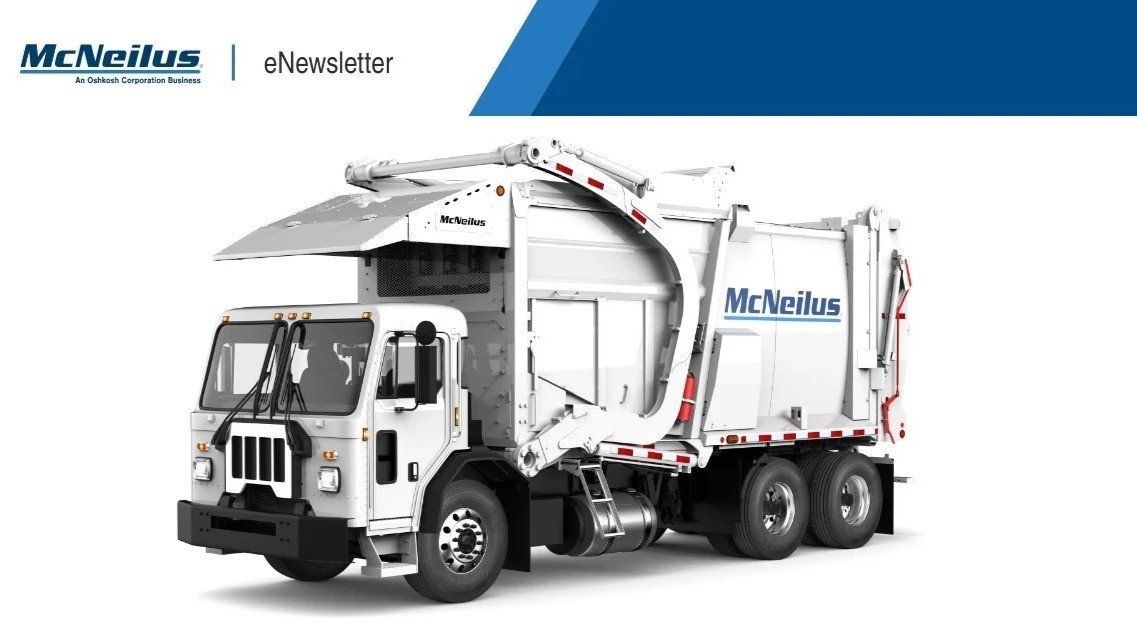
Refuse trucks represent a significant investment for waste management businesses, municipalities, and commercial collection contractors. Keeping these vehicles in service for as long as they remain safe, reliable, and economical can help organizations manage capital expenses and maintain consistent collection schedules. McNeilus refuse trucks operate in demanding environments where frequent stops, heavy workloads, and repeated loading cycles place stress on mechanical systems. A structured maintenance strategy, responsible operation, and timely repairs can help extend vehicle service life and support better long-term fleet performance.
Follow a Consistent Preventive Maintenance Schedule
Preventive maintenance is one of the most important ways to protect a refuse truck from avoidable wear. Rather than waiting for equipment to fail, fleet managers should schedule inspections and servicing according to the manufacturer’s recommendations and the vehicle’s actual operating conditions.
Maintenance plans should cover the chassis, brakes, tires, steering, suspension, hydraulic systems, electrical components, refuse body, and loading mechanisms. Specialized equipment may require additional inspection procedures depending on its configuration.
McNeilus refuse trucks should be maintained using the service instructions applicable to the specific model and body. Managers should avoid applying the same schedule to every vehicle without considering differences in age, workload, and equipment design.
Consistent servicing helps identify developing problems early and allows repairs to be planned before they cause significant interruptions.
Conduct Daily Inspections
Daily inspections help drivers recognize problems before starting a collection route. These checks should include tires, lights, mirrors, fluid levels, visible leaks, warning indicators, and other essential safety-related components.
Drivers should also examine the refuse body and loading equipment for visible damage or abnormal conditions. Any unusual noises, unexpected movements, or changes in performance should be reported promptly.
A documented inspection process improves accountability and gives maintenance teams useful information about the condition of each truck.
If an inspection identifies a defect that may affect safe operation, the vehicle should be assessed by qualified personnel before returning to service. Continuing to operate equipment with a serious fault can increase damage and create unnecessary risks.
Protect Hydraulic and Compaction Systems
Hydraulic systems operate important mechanisms on many refuse trucks, including compactors, tailgates, and container-handling equipment. Repeated operating cycles can contribute to wear in hoses, seals, cylinders, pumps, valves, and other components.
Fleet managers should ensure that hydraulic fluid, filters, and other service items are maintained according to the relevant manufacturer’s requirements. Leaks, inconsistent movement, overheating, and unusual operating noises should receive prompt attention.
Compaction equipment also needs regular inspection. Worn components, damaged surfaces, or mechanical problems may affect performance and increase strain on connected systems.
Maintenance involving pressurized hydraulics or raised equipment should be handled by appropriately trained personnel using the required isolation and safety procedures. Equipment must be properly supported before anyone works beneath it.
Operate Trucks Responsibly
Driving and operating habits influence how quickly a vehicle experiences wear. Aggressive acceleration, harsh braking, improper loading, and failure to follow operating procedures can place additional stress on vehicle components.
Drivers should receive training in safe maneuvering, loading operations, reversing, and the correct use of vehicle controls. Collection crews should follow the specified procedures for handling containers and operating compaction mechanisms.
Fleet managers should also ensure that vehicles are not overloaded. Excessive loads can increase stress on tires, suspension components, brakes, and the chassis while creating safety and compliance concerns.
Responsible operation helps protect equipment and supports more predictable maintenance costs.
Keep Vehicles Clean and Inspect for Corrosion
Refuse trucks are exposed to moisture, dirt, waste residues, and other substances that may contribute to corrosion or component deterioration. Appropriate cleaning can help maintain the vehicle and make developing problems easier to identify.
Businesses should follow suitable cleaning procedures for the truck body, hopper, tailgate, and other areas where waste residues may accumulate. They should also inspect vulnerable areas for corrosion, cracks, damaged protective coatings, and signs of fluid leakage.
Cleaning should be performed safely, with appropriate precautions around electrical components, moving mechanisms, and pressurized systems.
A clean vehicle is not automatically a well-maintained vehicle, but regular cleaning combined with inspections can support better equipment care.
Replace Worn Components Promptly
Small mechanical problems can become more expensive when repairs are delayed. Worn seals, damaged hoses, deteriorating wear components, and faulty electrical connections may affect other systems if they are not addressed.
Fleet managers should use inspection results and service records to determine when components need attention. Repairs should be based on the actual condition of the equipment and the applicable service recommendations.
When ordering McNeilus truck parts, businesses should confirm the truck model, body serial number, and exact component specifications. Correct identification is especially important when maintaining specialized refuse bodies and loading mechanisms.
Using compatible components and following appropriate installation procedures can help support reliable operation. Managers should retain records of replacements and verify the results of repairs before returning vehicles to normal service.
Build a Reliable Parts and Service Strategy
Parts availability and technical support can affect how long a truck remains out of service. Businesses should identify suitable suppliers and service providers before urgent repairs become necessary.
Ten-8 Industrial offers McNeilus refuse truck parts, maintenance, diagnostics, and repair support within its designated southeastern United States territory. Its listed capabilities include refuse body repairs, hydraulic systems, automated arms, compactors, and preventive maintenance.
Fleet managers can investigate Ten-8 Industrial when evaluating support options within its service area. They should confirm current availability, geographic coverage, and compatibility with their particular vehicles before arranging work.
A planned service relationship can make it easier to obtain appropriate components, organize inspections, and schedule repairs around collection requirements.
Maintain Accurate Service Records
Detailed service records provide a useful history of each vehicle’s condition and operating expenses. Records should include inspection results, repair dates, mileage or operating hours, replaced components, and recurring faults.
Reviewing this information helps managers identify patterns. A truck that repeatedly experiences the same issue may require a more detailed assessment rather than another temporary repair.
Maintenance records also support decisions about budgeting, replacement planning, and fleet allocation. Comparing repair costs with the vehicle’s remaining service potential can help businesses decide whether continued operation remains economical.
Know When Replacement Is More Practical
Extending service life does not mean keeping every truck indefinitely. A vehicle may become unsafe, unreliable, or too expensive to maintain even when repairs remain technically possible.
Fleet managers should consider repair frequency, downtime, operating costs, parts availability, and compliance requirements when assessing older equipment.
If a truck experiences repeated major failures, a thorough cost assessment can help determine whether replacement would provide better long-term value. The decision should consider the expected cost of continued maintenance alongside the cost and capabilities of alternative vehicles.
Conclusion
Extending the service life of McNeilus refuse trucks requires preventive maintenance, careful operation, regular cleaning, timely repairs, and accurate service records. Attention to hydraulic systems, compaction equipment, chassis components, and replacement-part compatibility can help reduce avoidable wear.
Businesses should also establish reliable parts and service arrangements and assess vehicle condition regularly. By following model-specific maintenance requirements and researching support options such as Ten-8 Industrial, fleet managers can make informed decisions that support safe operation, vehicle availability, and long-term equipment value.